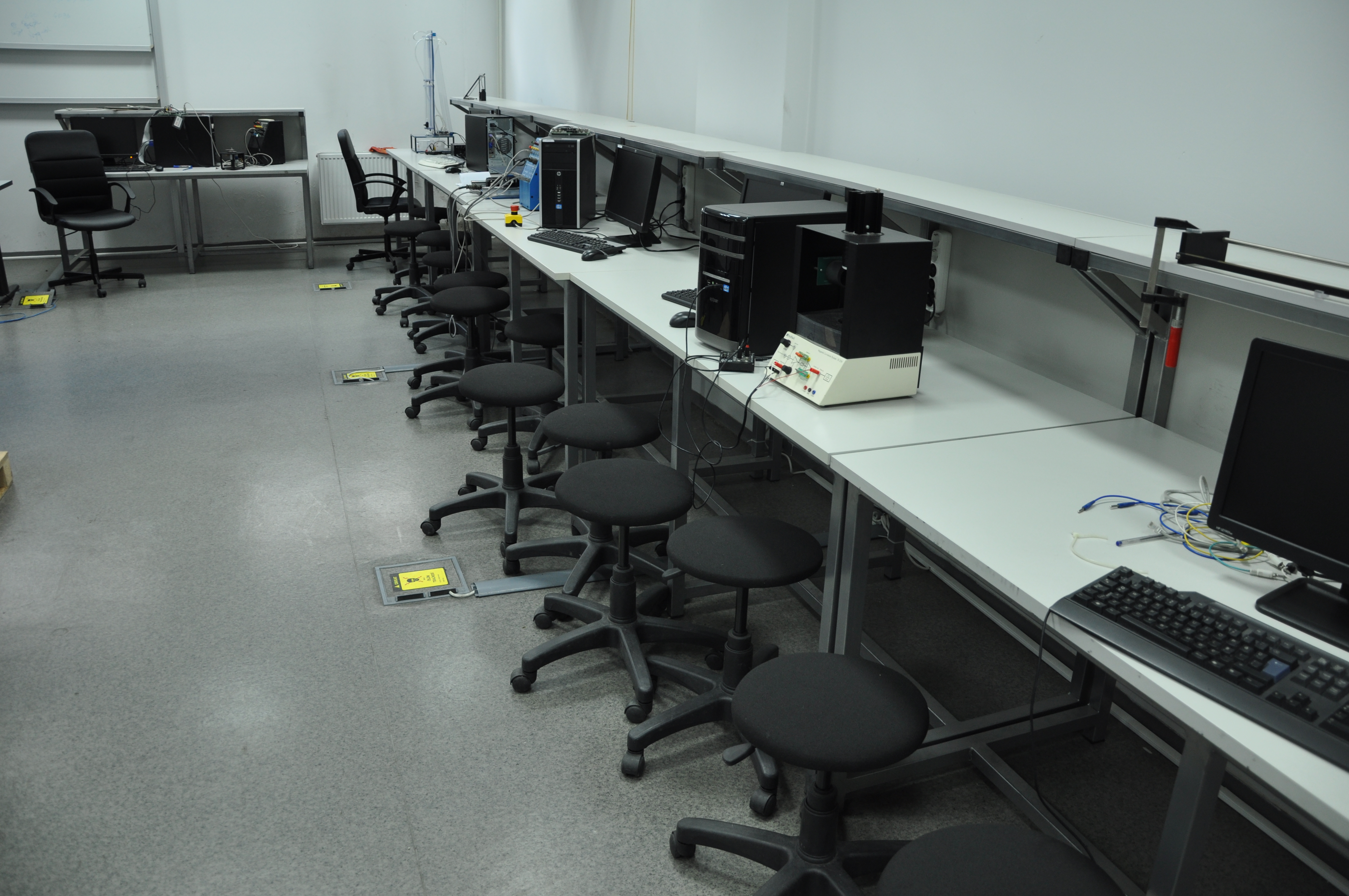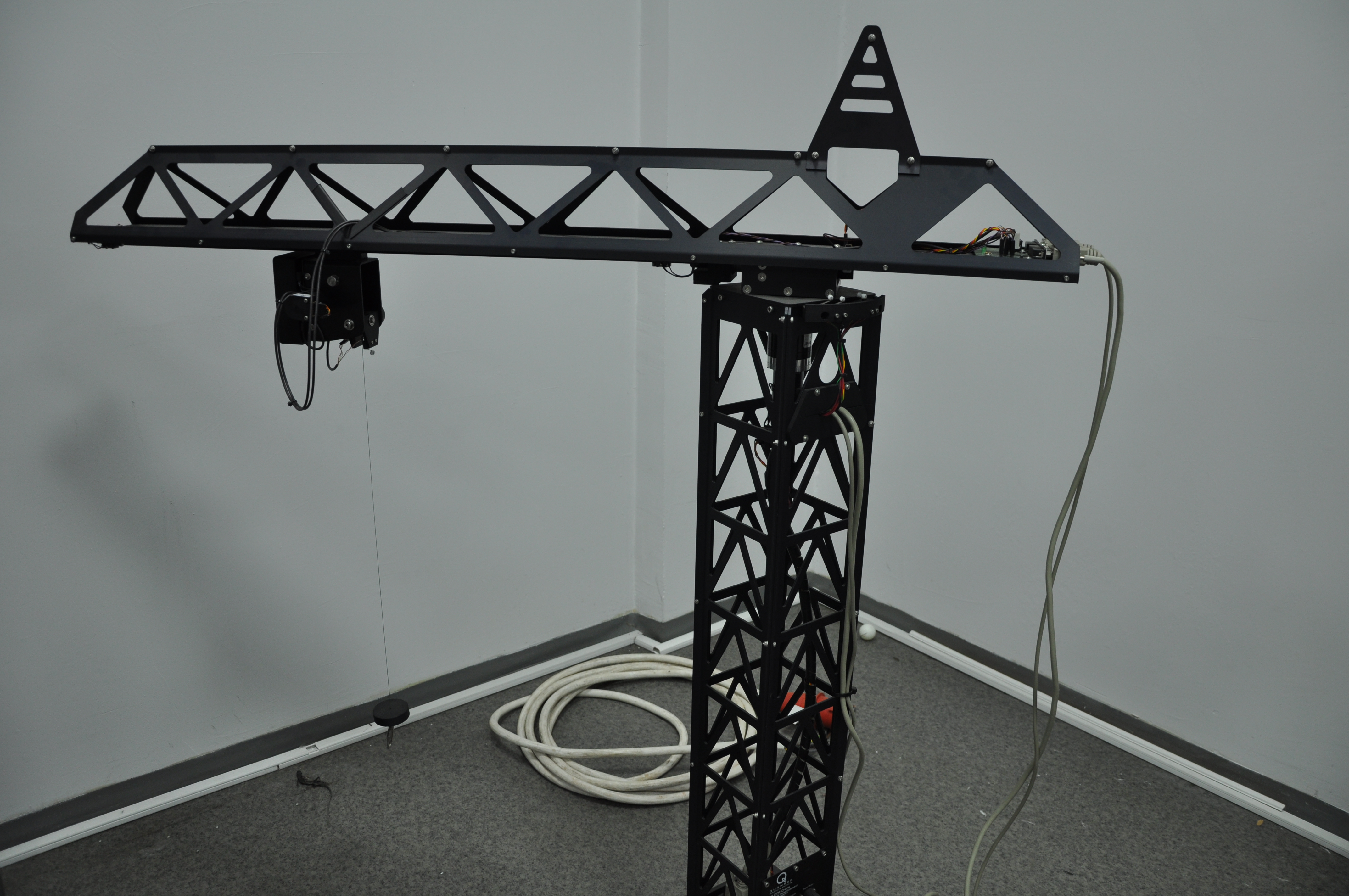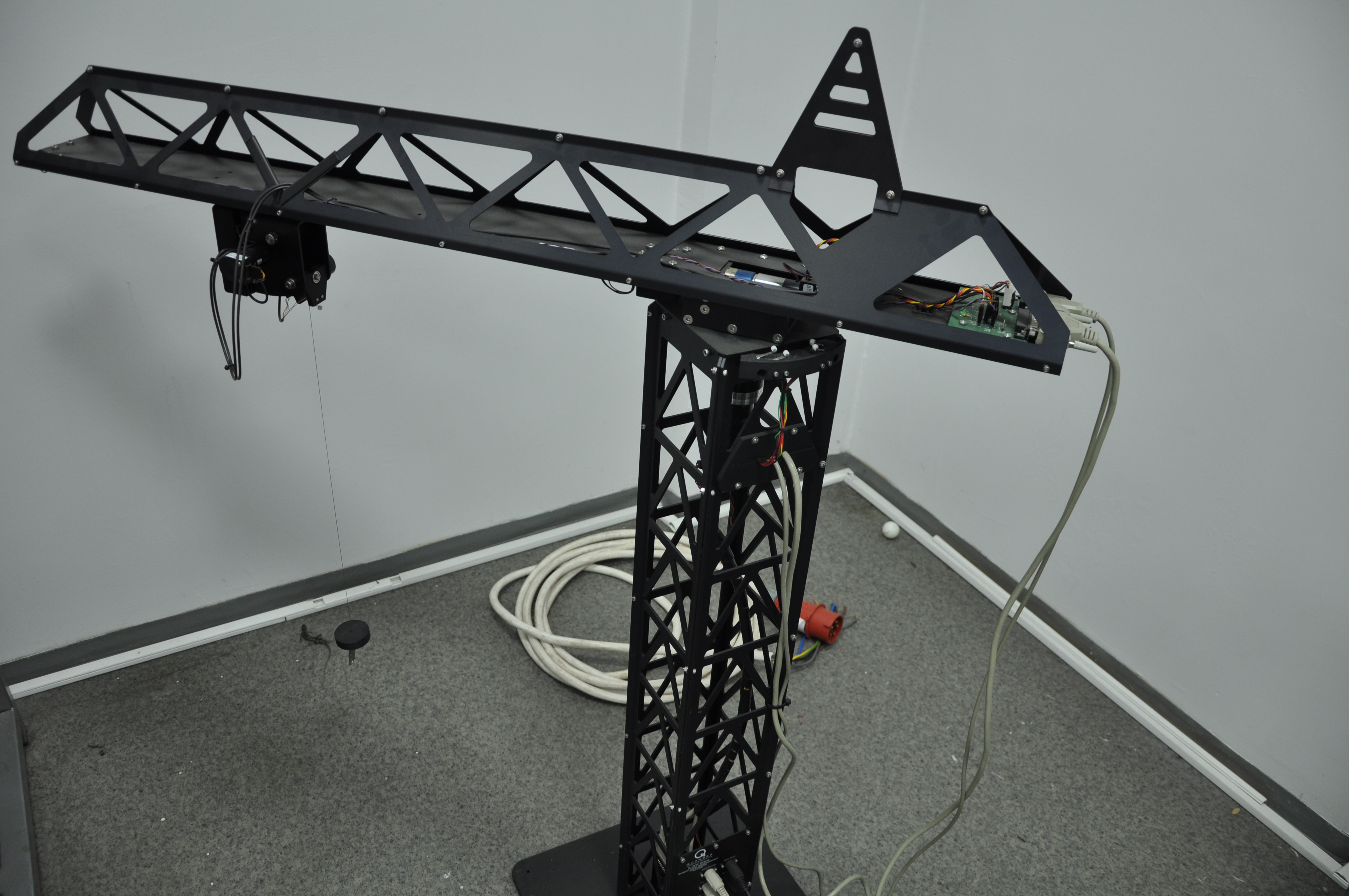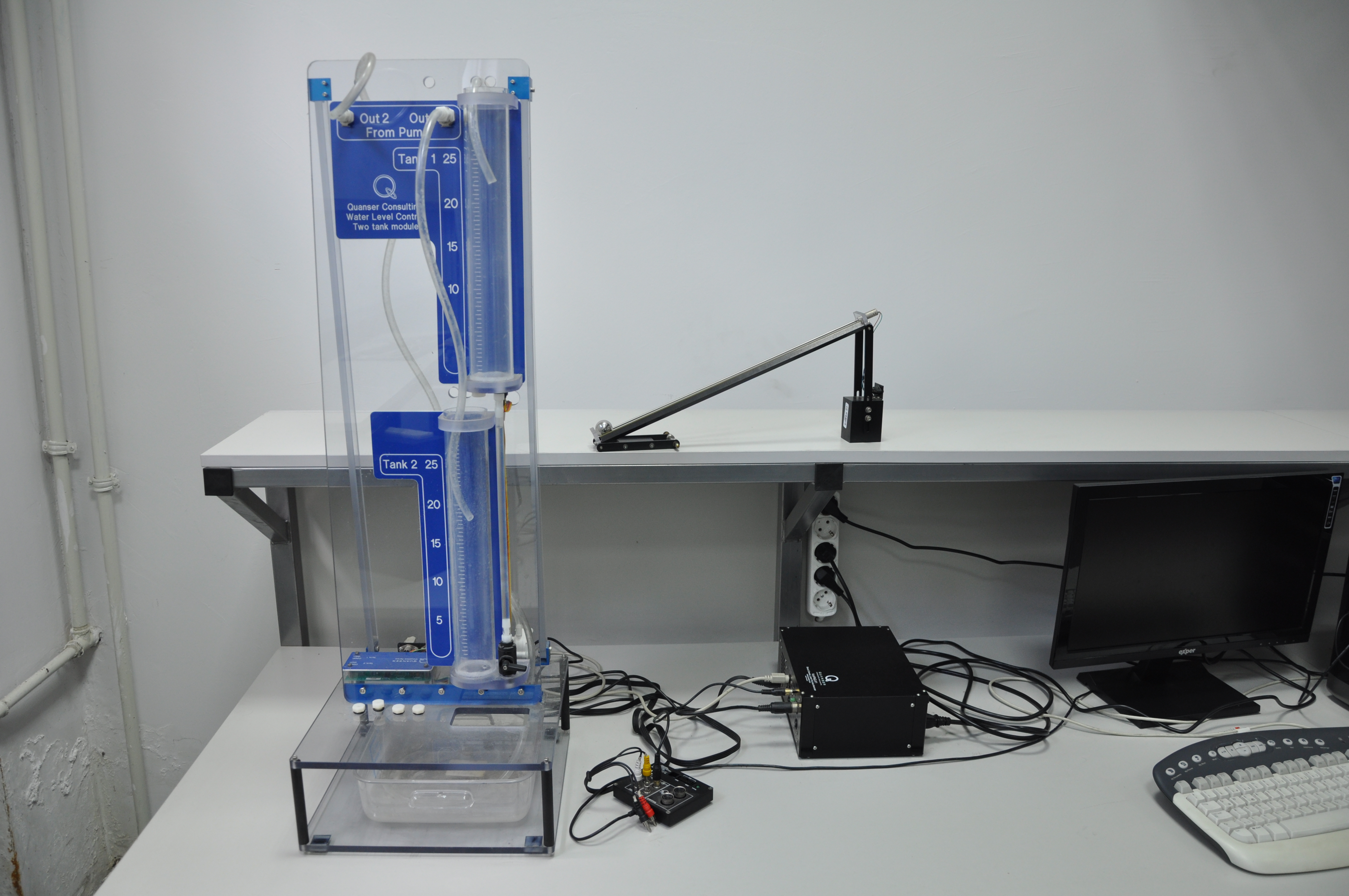
The Control Systems Design Laboratory was established to enable our students to reinforce the theoretical education they receive in class on topics related to control systems design and analysis by conducting practical experiments using various experimental setups.
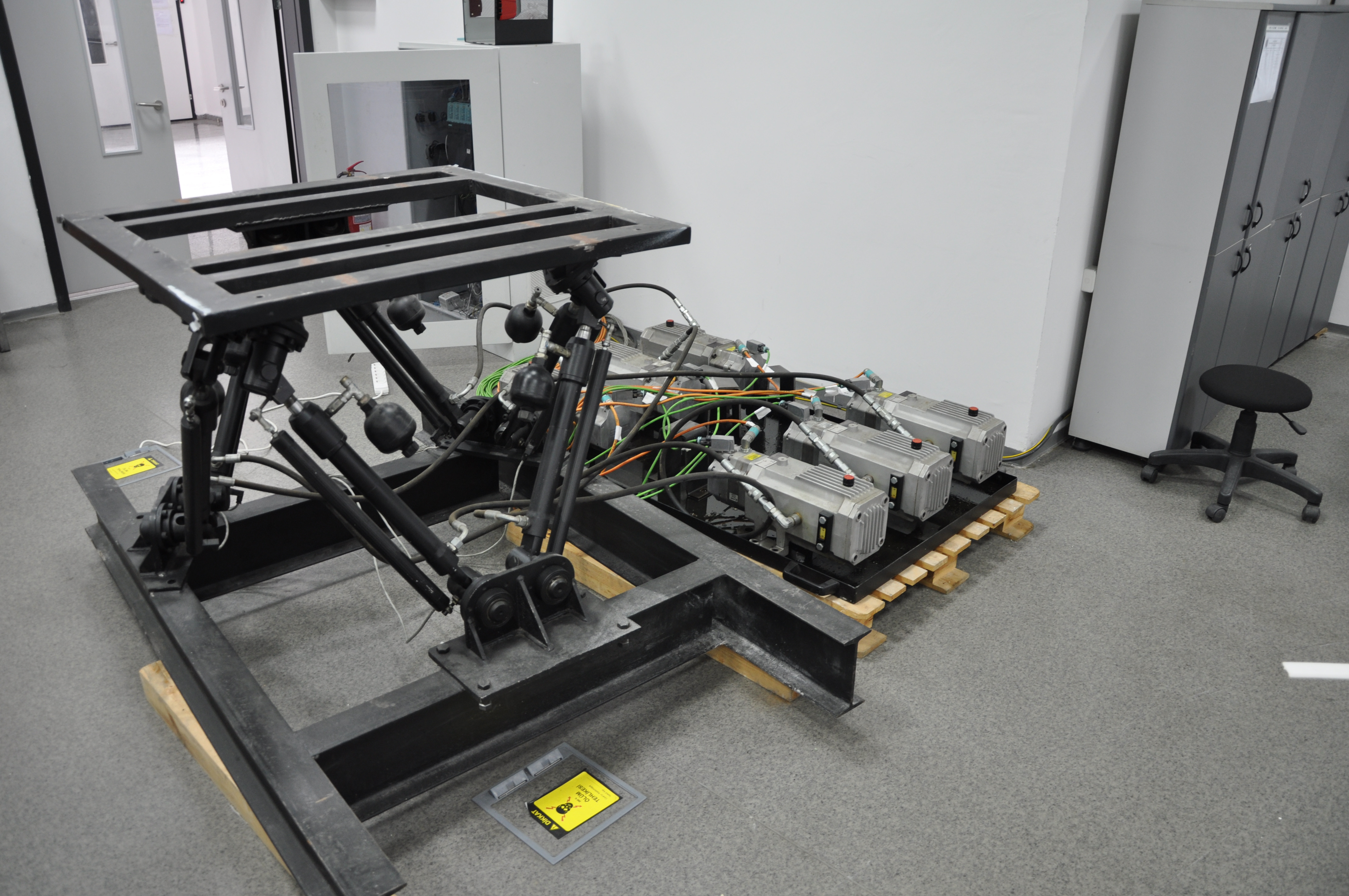
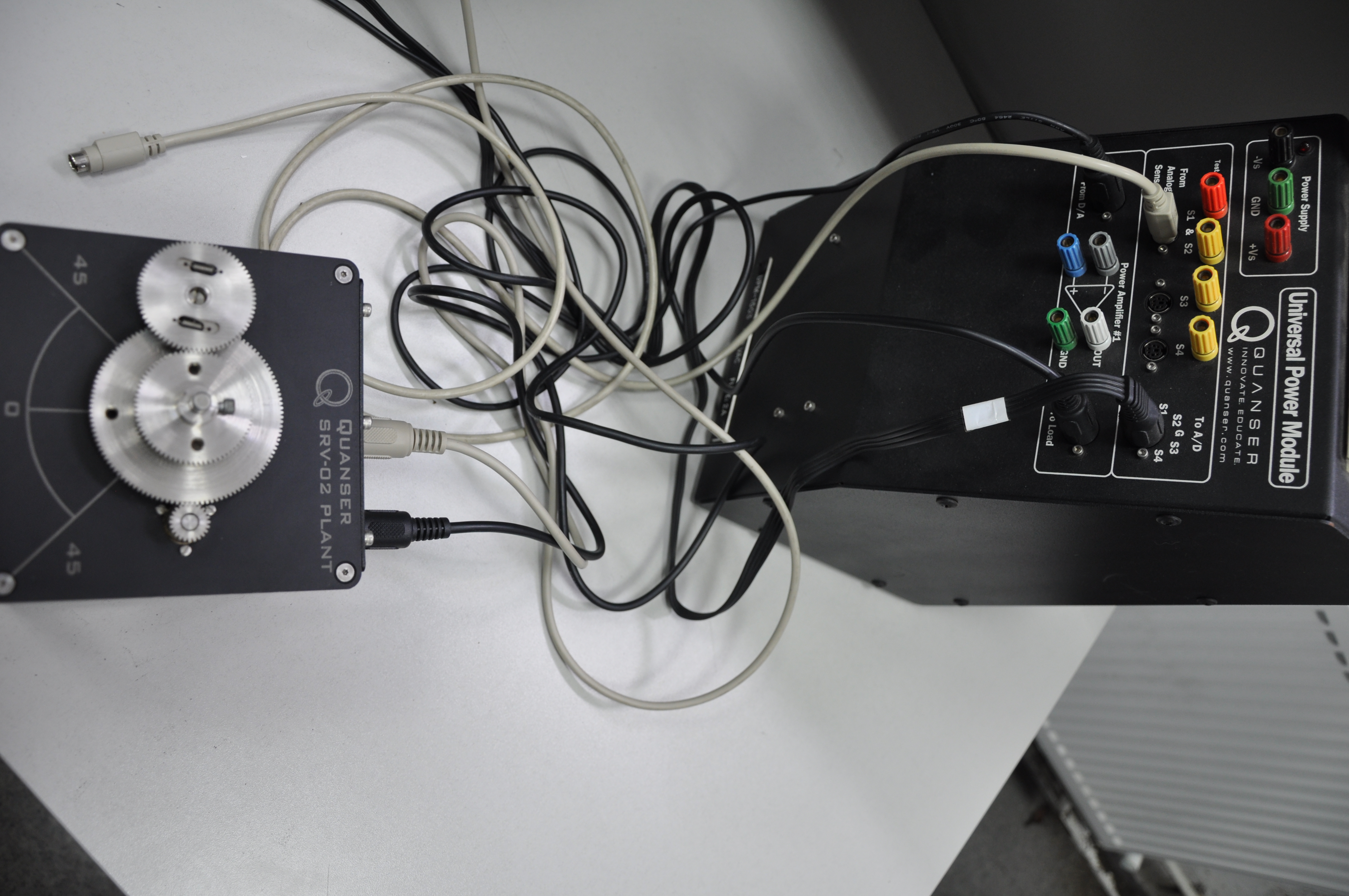
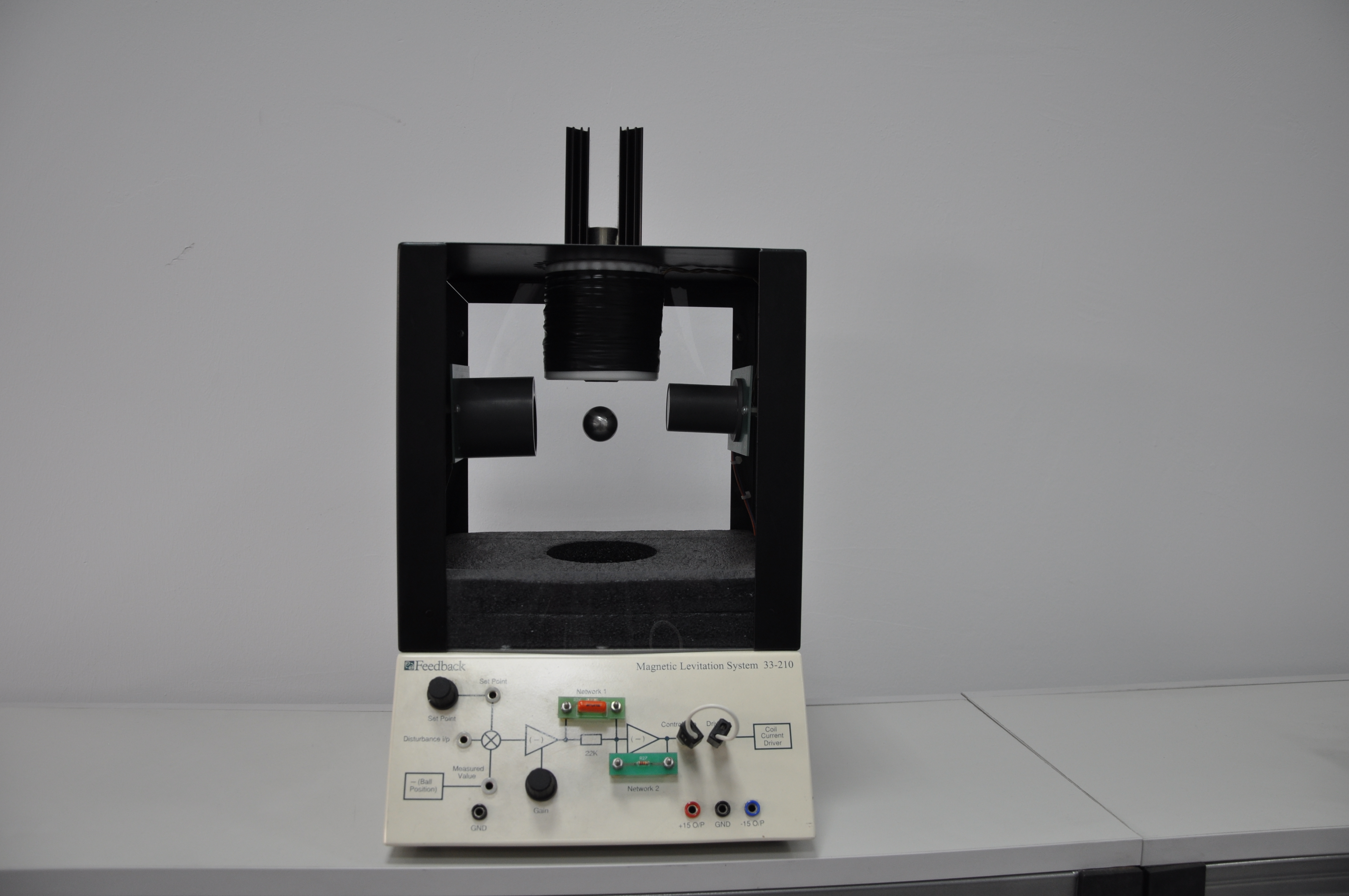
Our laboratory features a Vibration Table (Shake Table)—also known as a Single-Axis Earthquake Simulator—connected to real-time control boards; a Magnetic Levitation system (Magnetic Levitation), a Direct Current Motor Control Kit that allows for the control of a DC motor’s position and speed, the Ball-and-Beam System (Ball and Beam), and the Inverted Pendulum System, in which the position of a rod mounted on a moving car is controlled. These experiment kits can be controlled directly from a computer via real-time control cards, and simulations performed in a computer environment can be quickly and easily applied to real systems using these same cards.
In addition, our laboratory uses eight Digiac Experiment Sets, each equipped with various sensors, that allow our students to control the position and speed of a DC motor. With these experiment kits, students can conduct experiments related to sensors and apply various control methods to DC motors, analyzing the results in a real-world operating environment.